

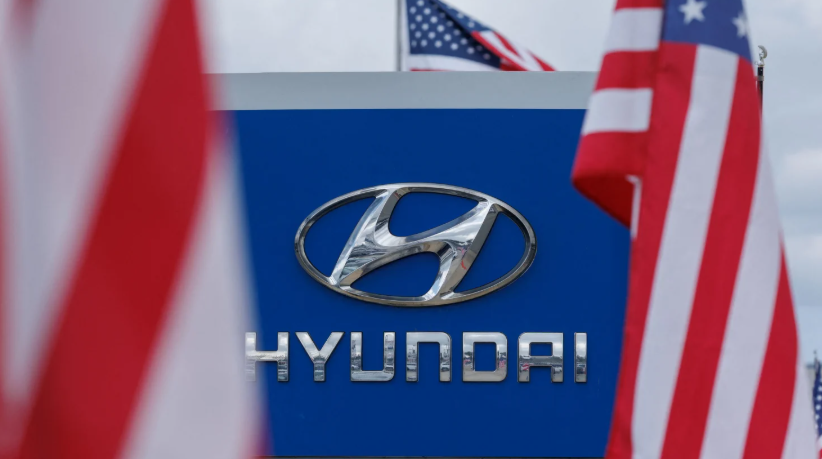
DETROIT — Hyundai Motor and General Motors are set to be two of the greatest beneficiaries of lower U.S. tariffs on imports, including vehicles, from South Korea.
The South Korean-based automaker is the largest U.S. importer of new vehicles from the country, followed by GM. Both automakers have paid billions of dollars in levies so far this year after President Donald Trump placed 25% tariffs on imported vehicles from South Korea and other countries in the spring.
The Trump administration this past week confirmed plans to lower tariffs on certain products, including vehicles, to 15% from South Korea. A notice about the implementation of the trade deal was posted Wednesday on the Federal Register. Other countries such as Japan and the United Kingdom also have negotiated lower tariff rates with the Trump administration.
Prior to the reduction, Hyundai reported U.S. tariffs costed the company 1.8 trillion won ($1.2 billion) in the third quarter, up from 828 billion won ($565 million) in the previous quarter. GM most recently said its tariff impacts, largely from South Korea and Mexico, were expected to be between $3.5 billion and $4.5 billion in 2025.
GM CFO Paul Jacobson said Wednesday that the automaker initially expected tariffs on South Korean imports to cost $2 billion but that the company has been able to offset many of those costs. He said GM expects the levies to cost closer to $1 billion or less in 2026.
“We do think that is going to be a tailwind next year, just not as much as the whole 50% because the ultimate tariff bill that we’re going to pay this year for Korea was going to be a lot lower than the $2 billion from the stuff that we’ve been working on,” Jacobson said during a UBS conference.
The U.S. tariff announcement comes after South Korea officially introduced legislation in its parliament aiming to fulfill its promise to invest $350 billion for the U.S. over several years.